


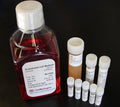


CASP-6713Quote onlyPrimary Cells
Canine splenocytes
- Canine
- Immune Cell
Priced per project
Request a quote- Shipped on dry ice overnight within the US, 2-day international
- CoA per lot on request
- Performance guarantee replaced free if cells fail to attach
For research use only. Not for use in diagnostic or therapeutic procedures.
- SpeciesCanine
- Cell typeImmune Cell
- ModelNormalUnmodified
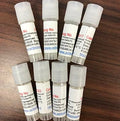
- FormatFrozen Vial(50 x 10⁶ cells)
Description
Catalog No. CASP-6713
SplenocytesProduct Description:
Splenocytes are a heterogeneous population of mature white blood cells harvested directly from the spleen, the largest secondary lymphoid organ in the body. Because the spleen acts as a primary filter for the blood, its cellular profile contains a rich, diverse mixture of immune cell types, making a splenocyte suspension an excellent, comprehensive snapshot of systemic immunity. Our splenocyte suspension contains high volumes of both B lymphocytes (~40–60%) and T lymphocytes (~20–30%). In addition, it preserves an assortment of innate immune cells, including macrophages, dendritic cells, natural killer (NK) cells, and granulocytes. Prepared via mechanical, primary splenocytes provide a high-yield, ready-to-use primary cell source for investigating active systemic immune responses.
Suggested applications:
In Vitro Proliferation and Activation Assays: Serving as a primary cell source to study lymphocyte activation kinetics. Researchers can use splenocyte suspensions to test T-cell and B-cell proliferation when stimulated by non-specific mitogens (like Concanavalin A, PHA, or LPS), specific anti-CD3/CD28 antibodies, or targeted recall antigens.
Vaccine Response and Immunogenicity Testing: Evaluating systemic adaptive immune memory following animal immunization. Splenocytes isolated from vaccinated subjects are routinely evaluated in ELISPOT, ELISA, or intracellular cytokine staining (ICS) assays to count the absolute frequency of antigen-specific, cytokine-secreting T cells (e.g., Interferon-gamma) or antibody-secreting B cells.
Monoclonal Antibody Production: Acting as the essential cellular starting material for hybridoma technology. Antigen-primed B cells harvested from mouse splenocyte suspensions are fused with myeloma cells to create immortalized cell lines that manufacture targeted monoclonal antibodies for research and therapeutics.
Immunotoxicity and Drug Screening: Evaluating the potential immunosuppressive or immunostimulatory side effects of small molecules, biologics, or environmental toxins. Splenocytes are used in high-throughput screening models to evaluate cell viability, metabolic changes, and cytokine release profiles when exposed to candidate drugs.
Oncology and Adoptive Cell Transfer (ACT): Modeling anti-tumor responses and evaluating immunotherapies. Splenocytes are frequently utilized in mixed lymphocyte reactions (MLR), macrophage phagocytosis assays, and target-cell killing assays to evaluate checkpoint inhibitors or cell-mediated cytotoxicity.
Storage
Cryopreserved Cells are shipped with dry ice overnight. Upon arrival, transfer frozen cells to liquid nitrogen (-180°C) immediately until ready for use. Live cell shipment is also available on request. Primary cells can never be kept at -20 °C or -80 °C freezer.
Authorized Uses of Cell Biologics’ Products
Rabbit splenocytes from Cell Biologics are distributed for research purposes only. Our products are not authorized for human use, for in vitro diagnostic or therapeutic procedures. Transfer or resale of any Cell Biologics’ cells or products from the purchaser to other markets, organizations or individuals is prohibited by Cell Biologics without the company’s written consent. Cell Biologics’ Terms and Conditions must be accepted before submitting an order.
Disclaimer
Investigators should handle the cells with caution and treat all animal cells as potential pathogens, since no test procedure can completely guarantee the absence of infectious agents.
Warranty and Liability
Cell Biologics’ guarantee applies only to your purchase of Cell Biologics’ Cells with Cell Biologics’ Media and Coating Solution for appropriate cell culture and cell testing following Cell Biologics’ online protocols within 35 days from the date of product delivery.
Culture protocol in four steps
- 1Thaw37 °C water bath, under 2 minutes. Never re-freeze a thawed vial.
- 2PlateSeed into a flask pre-coated with Cell Biologics coating solution, in the matched complete medium.
- 3FeedChange medium every 2–3 days until the culture is 80–90 % confluent.
- 4PassageSplit 1:2 with Cell Biologics trypsin; expand for 3–5 passages.
Specification sheet
Source
| Species | Canine |
|---|---|
| Cell type | Immune Cell |
| Modification | Unmodified |
Format & QC
| Format | Frozen Vial (50 x 10⁶ cells) |
|---|---|
| Storage | Liquid nitrogen on arrival |
| Shipping | Dry ice, overnight (US) |
Need something custom?
Different species, strain, modification or format? Our scientists isolate and engineer cells to order.
